
Number Quest: Puzzle Journey
Reviews
Number Quest: Puzzle Journey successfully disguises math practice as an adventure. The puzzles are well-integrated into the levels, so children focus on solving problems rather than memorizing facts. The character selection adds a nice touch of personalization, and the colorful worlds maintain visual interest. The adaptive difficulty system is a standout feature, adjusting to each player's pace. It is a solid choice for parents seeking educational screen time that feels like play.
About this game
Puzzle-Driven Exploration
In Number Quest: Puzzle Journey, arithmetic problems replace traditional combat. When a player encounters an obstacle, a math puzzle appears. Solving it correctly clears the path forward. This design turns each level into a series of logical challenges that require addition, subtraction, or multiplication. The puzzles are presented in a timed format, but the pace remains comfortable for young learners. Hints are available for tougher questions, ensuring no one gets stuck for long. The game rewards persistence and careful thinking rather than speed, making it suitable for various skill levels.
Character Selection and Personalization
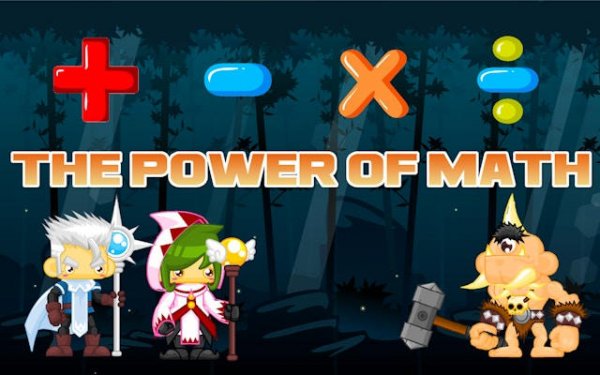
Before starting, players choose a character from a small set of options. Each character has a unique visual style and a specialty in a particular type of arithmetic. For example, one might excel at addition while another is better at multiplication. This choice influences which puzzles appear more frequently, allowing players to focus on areas they want to improve. The game encourages trying different characters to broaden arithmetic skills. This system adds a layer of personalization without overwhelming young players with complex menus.
World Design and Visual Appeal
The game is set in a series of colorful fantasy worlds. Each world has a distinct theme, such as a forest, a desert, or an ice region. The environments are bright and friendly, with cheerful music and simple animations. Obstacles like locked gates or sleeping creatures are presented in a non-threatening way. The visual style is designed to keep children engaged without overstimulation. Backgrounds change as players progress, offering new scenery that maintains curiosity and motivation to continue.
Progression and Reward System
As players solve puzzles, they collect stars or other tokens that unlock new areas. The game adapts difficulty based on performance. If a player answers correctly several times in a row, the puzzles become slightly harder. If they struggle, easier problems appear. This adaptive system ensures a steady challenge without frustration. Rewards are given for completing levels and for achieving streaks of correct answers. These incentives encourage regular practice and help reinforce arithmetic concepts in a natural way.
Learning Through Play
Number Quest: Puzzle Journey is built around the idea that practice should feel like a game. The puzzles are woven into the story, so each correct answer feels like progress in an adventure. There are no lectures or drills. Instead, children learn by doing, with immediate feedback on each answer. The game covers basic arithmetic operations and simple logic puzzles. It is intended for solo play, allowing each child to work at their own pace. Parents can feel confident that the content is safe and educational, with no inappropriate material.





Comments
Sign in to leave a review
No account? Create one
No comments yet.