
Quick Math Grid: Speed Calculator
Reviews
Quick Math Grid: Speed Calculator succeeds by making math practice feel like a sport. The core idea is simple: solve an equation, then move your character to the right number on a grid before time expires. This combination of mental calculation and physical precision keeps players focused. The multiplayer mode adds healthy competition without becoming overly aggressive. Difficulty scales naturally, so beginners are not overwhelmed and experienced players stay challenged. The clean interface and short match length make it easy to fit into any schedule. It is a solid choice for families and classrooms.
About this game
Core Gameplay Loop
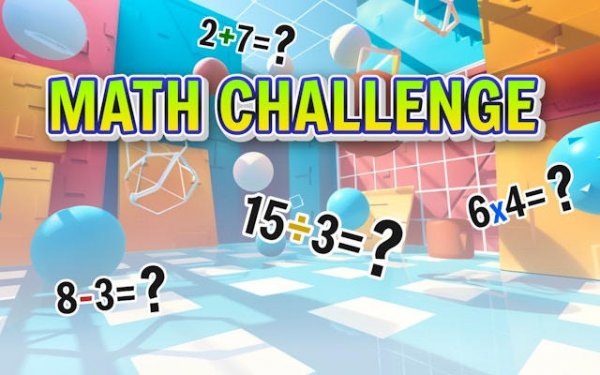
Each round begins with a fresh arithmetic problem drawn from addition, subtraction, multiplication, or division. The player controls a small character on a grid filled with numbers. The goal is to move the character to the square containing the correct answer before the timer reaches zero. This design forces quick thinking and precise movement under pressure. Successfully reaching the right number awards a point, and the first participant to collect five points wins the match. The interface is minimal, keeping the focus entirely on the equation and the grid.
Skill Development Through Play
Regular sessions help build faster recall of basic math facts. The timed nature encourages players to recognize patterns and calculate more efficiently. Over time, users often notice improvements in both speed and accuracy. The game works well for students who need extra practice outside of traditional worksheets. Adults looking to maintain cognitive sharpness also find value in the quick rounds. Because the difficulty scales with the player's progress, the experience remains challenging without becoming frustrating.
Multiplayer Dynamics
Competing against others adds a layer of excitement beyond solo practice. When multiple players race to solve the same equation, the pressure increases. Each person must balance speed of calculation with the accuracy of their movement on the grid. This social element can motivate players to improve more quickly than playing alone. Matches are short, typically lasting only a few minutes, making them easy to fit into a break or between tasks. The multiplayer mode is designed for fair play, with no hidden advantages.
Session Structure and Pacing
Games are structured around short, intense rounds. The timer creates a natural endpoint for each equation, preventing any single round from dragging on. As players demonstrate mastery, the equations become more complex or the timer becomes stricter. This gradual increase in difficulty keeps the activity engaging over many sessions. The format is ideal for quick mental warm-ups or for filling short periods of free time with productive entertainment. There is no lengthy setup or tutorial needed.



Comments
Sign in to leave a review
No account? Create one
No comments yet.